
For a telecom operator, deploying a fiber optic network is one of the most significant and enduring capital investments. It forms the foundational artery for all current and future services, from gigabit broadband to 5G backhaul and smart city applications. However, the long-term success of this infrastructure hinges on decisions made at the planning stage. Beyond simply "pulling fiber," a strategic operator must focus on four critical pillars: future-proof architecture, physical layer resilience, operational efficiency, and total cost of ownership (TCO).
1. Future-Proofing Your Network Architecture
The technology choices you make today will dictate your network's capabilities for the next 20-30 years.
• Fiber Type is Fundamental
While standard G.652.D single-mode fiber is versatile, consider G.657.A1/A2 bend-insensitive fibers for dense FTTx deployments. They allow tighter bends in cabinets and customer premises, reducing micro-bend losses and installation errors, which is crucial for maintaining signal integrity in complex routing scenarios.
• Plan Your Passive Optical Network (PON) Strategy
Decisions on split ratios (1x32 vs. 1x64) and centralization affect reach, density, and upgrade paths. Utilizing pre-connectorized solutions like Multiport Service Terminals (MSTs) at distribution points can dramatically reduce labor costs and deployment time for last-mile connections, offering a clear OPEX advantage from day one.
2. Ensuring Physical Layer Resilience
The network must survive in the real world. Compromising on physical protection leads to chronic failures and high maintenance costs.
• Right Cable for the Right Environment
Specify cables with appropriate mechanical strength, moisture resistance, and rodent protection for their environment (aerial, duct, direct-buried). The upfront cost is minor compared to the expense of a single repair dig.
• Fortify the Weakest Links: Connection Points
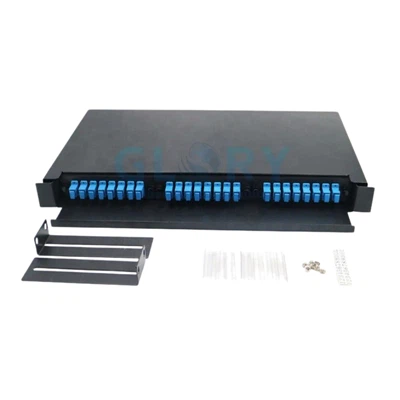
Splices and terminations are vulnerable. Insist on hardened, IP68-rated closures and terminals for all outdoor points. These should offer excellent sealing (keeping water and dust out), robust mechanical locks, and organized internal management for fibers. A high-quality fiber distribution box, for instance, doesn't just house connections; it actively protects them from temperature swings, physical stress, and unauthorized access, ensuring service continuity.
3. Designing for Operational Efficiency (OPEX)
A network that is difficult to deploy or maintain will erode profits. Design with the installers and field technicians in mind.
• Deployment Quality Affects Lifetime Performance
Enforce strict standards during installation. This includes respecting minimum bend radii, using proper cable pulling techniques, and maintaining meticulous documentation and labeling (port, cable, and splice records). Poor practices here are the root cause of most "grey" failures and difficult troubleshooting.
• Build in Manageability
Choose solutions that support modularity and clear physical access. A well-designed fiber termination box in a customer's home or business premises should allow for quick, tool-less access for testing or re-patching without disrupting the fixed infrastructure, speeding up service calls.
4. Calculating the Real Total Cost of Ownership (TCO)
The cheapest component often becomes the most expensive asset. Evaluate costs over the entire lifecycle.
• Modularity = Scalability
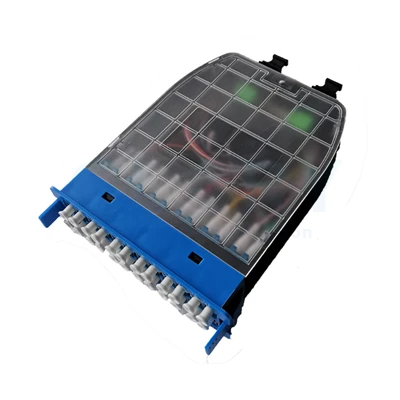
Invest in platforms that can grow. A distribution box that allows you to add splice trays or splitter modules as needed defers capital expenditure and avoids costly box replacements.
• Reliability Directly Lowers OPEX
The correlation is direct: higher-quality cables and closures result in fewer faults, fewer truck rolls, lower repair costs, and higher customer satisfaction. The initial premium for superior protection pays for itself many times over by safeguarding your revenue-generating network from downtime.
It's a System, Not Just Components
Building a successful fiber infrastructure requires a holistic, systems-level approach. It's about integrating the right technologies with ruggedized physical components and deploying them with precision to create an asset that is not only powerful today but also adaptable, manageable, and economical for decades to come.
For a telecom operator, the most critical awareness is this: your fiber network is the core of your business. Investing thoughtfully in its foundational strength is the single most important strategy for long-term competitive advantage and profitability.
Partnering for a Stronger Foundation
At GLORY, we understand these operator-level challenges. Our product development focuses on providing the ruggedness, modularity, and deployment efficiency that modern fiber infrastructure demands, helping you optimize both your network performance and your financial returns.