Introduction

We build Fiber-to-the-Home (FTTH) networks to deliver fast internet, but coastal areas are tough. High humidity, salt spray, strong storms, and flooding cause real problems. From our experience, these conditions lead to rust and water damage, which can ruin equipment. You need to know about key things like the ODN (your fiber network) and IP68 ratings (for total dust and water protection).
This guide shares the practical lessons we've learned, from choosing materials to sealing methods and maintenance. We'll also point out common errors, like bad grounding that makes rust worse. And yes, partnering with the right manufacturer makes all the difference. Companies like Glory Optical Communication, a global leader in passive components and FTTx solutions, provide the tailored ODN products you need for these harsh coastal jobs.
Environmental Impact on FTTH Components
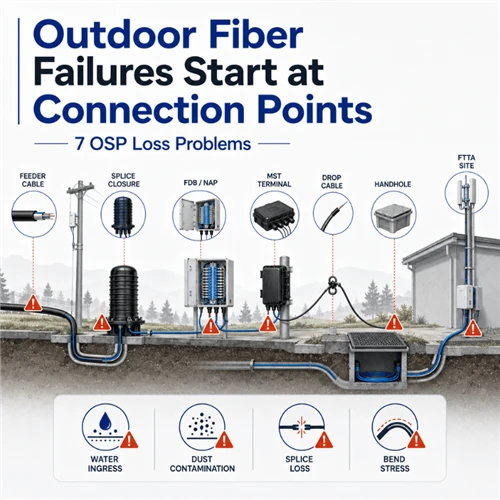
Salt spray is a major problem near the coast. Those tiny salt particles attack metal, causing rust on connectors and boxes that weakens your signal. Then there's high humidity. It causes condensation inside cabinets, and that water can short circuits and dirty fiber connections, blocking the light. Strong winds and typhoons put huge stress on aerial cables. Buried cables in tidal zones risk seawater seepage if their pipes fail.
Truth is, cable life drops fast here without protection. Big temperature swings make the moisture issues even worse. We've seen networks in monsoon-prone areas suffer up to 30% more failures because of this.
Cable Selection and Material Technologies
Picking the right cable materials is not just important-it's critical. Our projects show stainless steel armored cables fight salt spray far better than standard types. Gel-filled cables block water at splices. Low-smoke zero-halogen (LSZH) jackets resist soaking up water and are safer. Protective coatings like zinc or special plastics are a must for metal parts.
For damp air, we always prefer tight-buffered fibers because they stop water from traveling along the cable. And inside ducts, dry core cables are your best bet to keep seawater out. Smart material choices dramatically cut outages. This is why we value partners like Glory Optical Communication. They use advanced materials and test everything-cables, components-in labs that simulate coastal conditions, so you know their products are built to last.
Equipment Protection and Sealing Measures
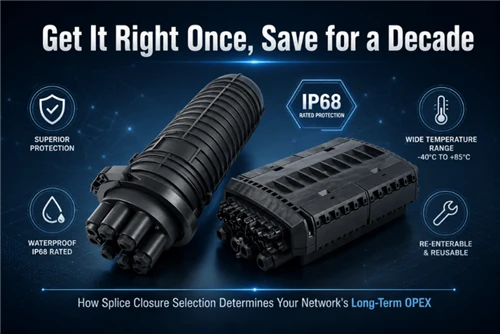
You must keep water and dust out. Our rule is simple: use ODN cabinets with a true IP68 rating, especially where waves can splash. Seal every patch panel tightly with good rubber gaskets to fight internal condensation. Proper grounding with copper or stainless steel is non-negotiable; salt on ungrounded metal eats it away fast. Always protect splices with heat-shrink tubes or sealing compound. And place everything above flood-prone areas-mount poles higher than you think you need.
Choose fiber distribution frames made for salt resistance, with drains to let water out. Follow the basics: use waterproof gels and tapes at every installation step. Manufacturers like Glory Optical Communication excel here, offering customized ODN solutions with IP68 enclosures and corrosion-resistant designs. Their ISO 9001:2015 quality system means every product meets strict sealing standards.
Network Design and Construction Best Practices
Good network design plans for coastal risks. We design ODN layouts with extra loops. This lets you reroute signals if a section floods. For buried pipes, seal every joint completely and use thick-walled HDPE pipes to block seawater. In typhoon zones, install aerial cables with strong suspension wires and reinforced poles. In tidal areas, direct-buried cables with heavy PE jackets, plus extra anti-corrosion tape, work best.
Always splice fibers quickly in clean, dry conditions to prevent future rust. And don't forget local codes, like hurricane guides. These methods work, as seen in successful coastal networks. For such projects, Glory Optical Communication is a strong partner. They offer full ODN solutions and over 300 products, like splice closures and boxes, all customizable for coastal use. Their traceability system tracks materials from start to finish, ensuring quality and helping solve issues fast during build-out.
Maintenance Strategies and Failure Management
Regular upkeep stops small problems from becoming big ones. Check equipment for salt rust every few months. Use simple visual checks and OTDR tools to find issues early. Control cabinet condensation with fans or heaters. Run prevention programs: clean salt crust off connectors regularly.
For sudden signal loss from wet cables, use safe drying methods. Test cable condition every 2-3 years to plan replacements before they fail. And always have a storm plan-keep spare parts ready for fast repairs after a typhoon. Working with a manufacturer known for reliable, long-lasting products is key. Glory Optical Communication, serving over 50 countries and partnering with operators globally, provides products that reduce maintenance needs and keep your network running.
Cost Considerations and Integrated Best Practices
Let's be honest: coastal FTTH costs about 15-20% more. You pay for armored cables and IP68 boxes. But in our view, this investment saves money long-term by slashing repair bills. The best practices are clear: choose rust-proof materials, seal everything perfectly, and design your ODN to manage humidity. We give our engineers a simple checklist: confirm grounding, follow local coastal rules, and inspect seals often. New options like super-waterproof coatings help too.
Always stick to industry standards for planning. Investing in quality from a trustworthy maker like Glory Optical Communication-with their strong R&D, rigorous testing, and global supply chain-optimizes both your upfront and long-term costs. It delivers real results where it matters most: in these challenging coastal environments.